

Hunting has been part of my life for as long as I can remember. I’ve just never been the one doing it. My dad and brother hunted when I was growing up, and I’d wanted to go for years. This October I finally went with my dad in Washington.
I split it into two five-day trips with a quick run back to Tacoma for work in between. The first weekend was just my dad, my brother, and me. On the second trip, his hunting buddies joined us. I hate walking, and I spent a lot of those days walking, looking for an elusive buck.
Going in, I couldn’t buy a bunch of new gear, and I honestly didn’t know if I’d want to go again. So I skipped the hunting-specific stuff and worked with what I already owned. Working in the outdoor industry, I owned enough to get by. The only new thing I picked up was a pair of pants mid-trip, when the forecast called for snow.
Here’s everything I wore, what worked, and what I’d change.
Some links in this post are affiliate links, and some brands gave me discount codes to share. I may earn a commission if you buy through them, at no extra cost to you. I’m also an Oxbow Gear ambassador. Everything here is what I actually wore and used on this trip.
Starting from the bottom up
BaseLayers
Ortovox Rock’n’Wool 185 was my everyday top. It’s merino, and the 185 is the fabric weight: light enough to layer under everything, warm enough to wear on its own. This is my go-to winter baselayer too!
Under Armour Base 3.0 came out on the colder days. It’s a midweight with a brushed grid fleece inside. I honestly forgot about this layer, as I run hot usually, so it was packed away in a winter bin. But knowing I could be doing a lot more sitting in cold weather on this trip, I pulled it out last minute (thank goodness).
BRANWYN underwear and bra (affiliate link). BRANWYN makes merino-based underwear and bras designed for active women. I wore the new Essential Supreme Bra every single day - disclaimer: I did wash it between trips because I just couldn’t not. BUT between two 5-day stints of wearing it nonstop, I was pleasantly surprised. This is my third bra from them and by far my favorite.
Bottoms
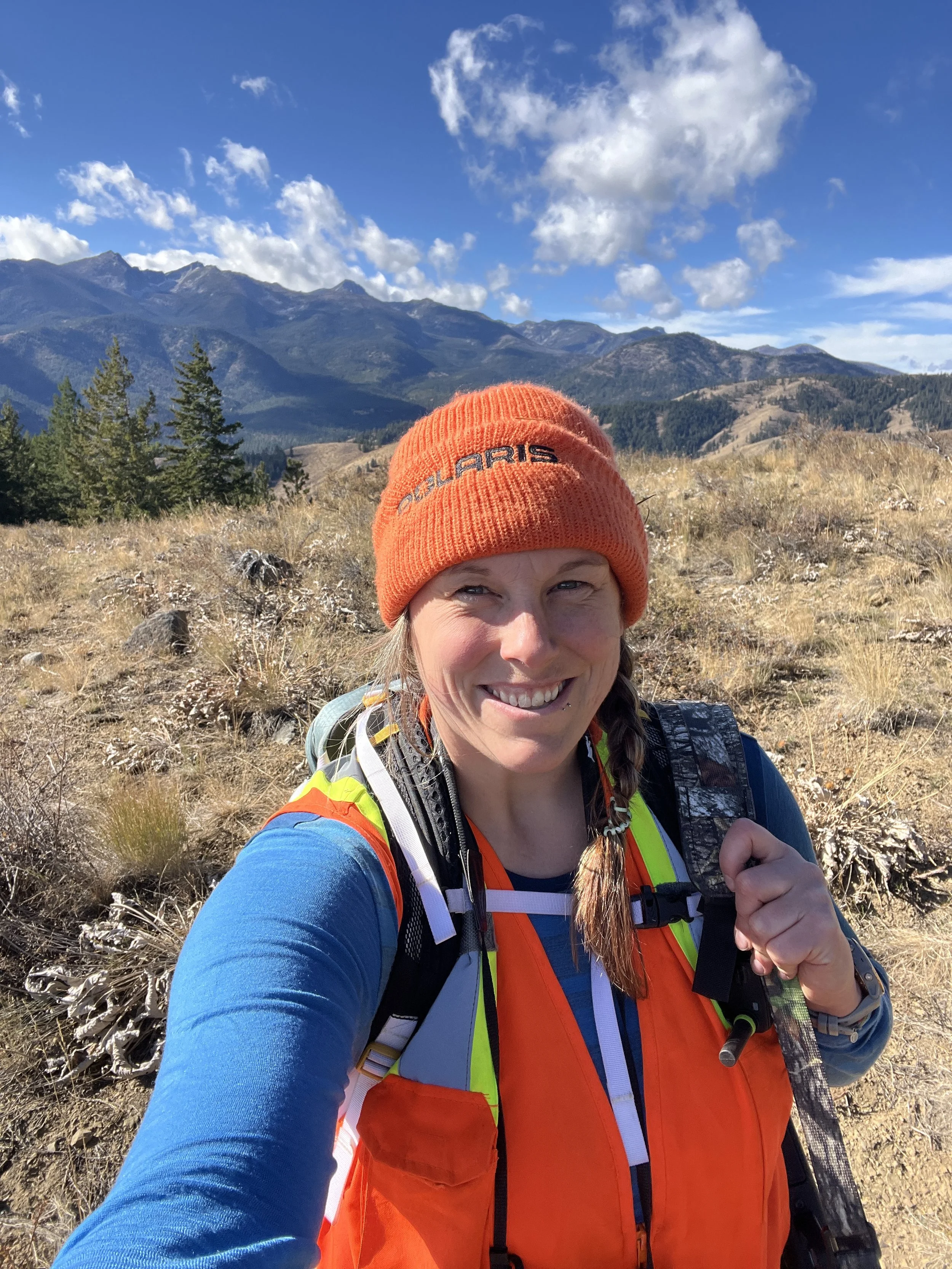
Fjällräven Keb Trousers Curved were my go-to pants for most of the trip. They pair Fjällräven’s tough G-1000 fabric on the high-wear spots with stretch panels for moving, plus zip vents on the thighs. The Curved fit is cut for curvier hips and thighs. I definitely had a size too small and was worried I wouldn’t be able to put base layers underneath, but I did! And they weren’t too uncomfortable, but I’d definitely prefer a bigger size.
REI Activator Pants (Women’s) were a mid-trip purchase. After my first five days, snow was in the forecast for the following weekend, and I didn’t think the Kebs would cut it. They’re a stretchy softshell that blocks wind and sheds light moisture. It never snowed, but I wore them on the last day, which I expected to be cold after freezing the day before. Naturally, the sun came out, and I wished I had my Kebs on where I could open the thigh vents.
Kari Traa Rose High Waisted Baselayer Pants went underneath on the cold days. They’re merino, so they stay warm, breathe, and don’t hold odor. I was afraid they would be too thick, but they were perfect.
Mid Layers and Jackets
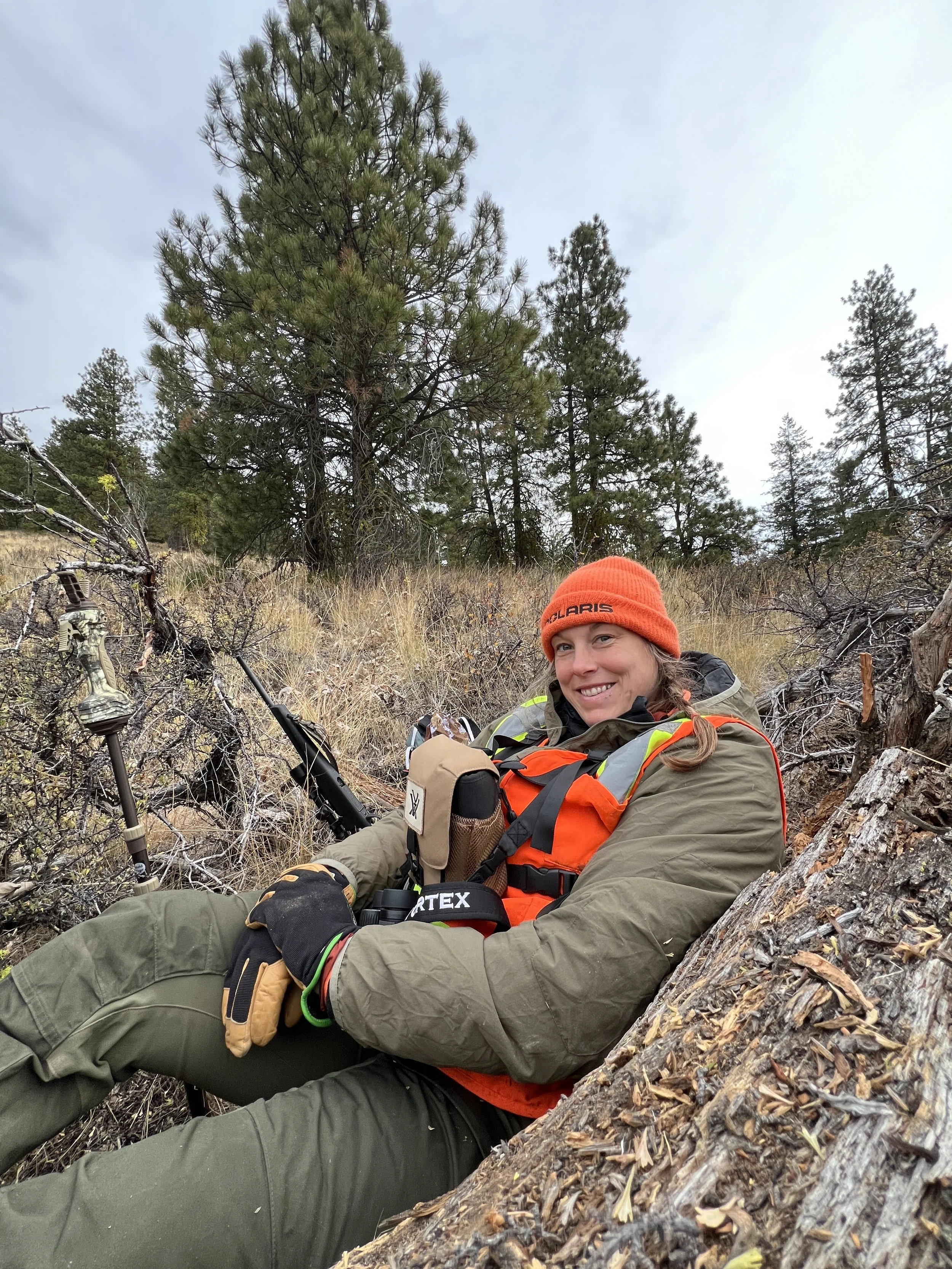
Ortovox Piz Badus was my main mid-layer. It’s a lightweight insulated jacket with a stretchy, wind-resistant outer and Swisswool insulation, which is wool from Swiss sheep that stays warm even when it gets wet. Merino fleece panels on the sides help it move with you. Again, another favorite of mine as an active mid-layer.
Ortovox Zinal was for the cold days. It’s the warmer of the two, with more Swisswool insulation and a Pertex Quantum shell that blocks wind and sheds moisture.
Dovetail Workwear Pac Jac is a 5 oz Cordura ripstop jacket that blocks wind, sheds light moisture, and packs into its own chest pocket. It has gussets under the arms so it moves with you, plus reinforced elbows. Since we didn’t have a lot of moisture, it was perfect and protected my more sensitive (and expensive) insulators. Use code TEAKAYEOH or this link for $10 off at Dovetail.
REI XeroCloud 3L Rain Jacket (Men’s) was another mid-trip buy, since I don’t own a basic rain jacket that fits anymore. It’s fully waterproof, packs into its own pocket, and has pit zips for venting on the climbs. The women’s version didn’t fit me, which is pretty typical. Both of my Ortovox jackets are men’s too. Luckily, I didn’t need to pull it out though the deer probably would’ve preferred the colder, wetter weather.
Feet
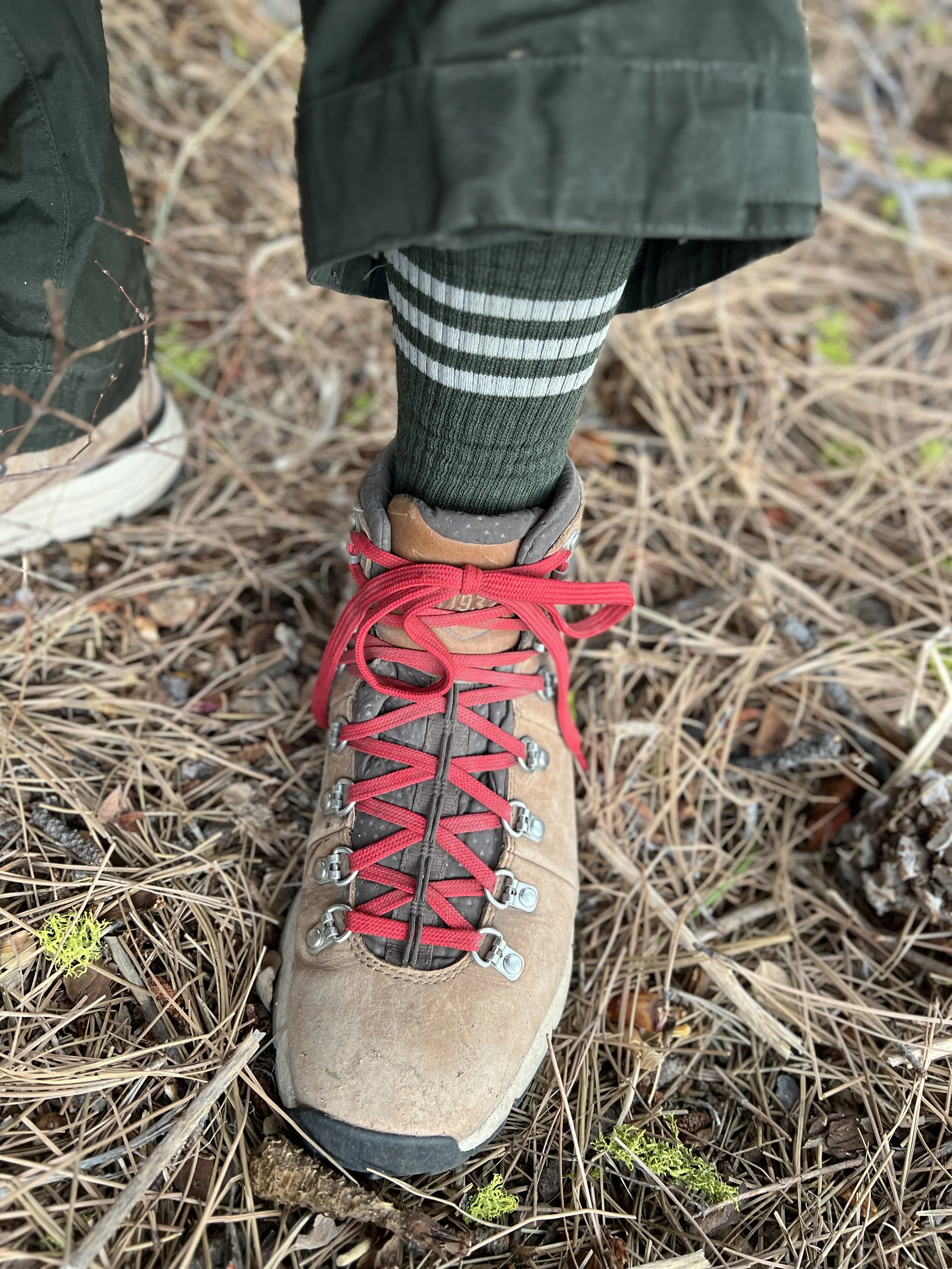
Danner Mountain 600 boots. These are waterproof suede and leather light hikers with a grippy Vibram sole, and they’re known for needing almost no break-in. Honestly, I’m not much of a boot gal and haven’t worn these that much. I was worried that going from basically 0 to 60 I would get blisters, but happy to report, I am blister-free! And one day we hiked straight uphill with packs on, 1,000 feet in just over half a mile, to be exact, and my feet survived.
Dovetail Workwear socks and Alpine Nation socks. You already know I stayed blister-free, but what you don’t know is that’s a miracle for me. I always get blisters, and I know socks play a major role in that too. Both of these socks are merino blends, you may be catching on to the trend now that I’m in a merino phase, and it’s proving to be for very good reason.
Hands and Head
Hestra winter work gloves. Insulated leather gloves, durable winter gloves. Basic work gloves I’ve had around the trailer for winter chores. Nothing special, or expensive.
SHE Outdoors Fleece Pop-Top Insulated Mittens. If you’ve never seen pop-top mittens, they’re fingerless gloves with a mitten cover that flips back. Your fingers are free when you need them for binoculars or a radio, then covered again when you’re sitting still. I LOVE mittens, but they aren’t the most efficient when you need dexterity, so this was the last mid-trip buy for those colder days that were supposed to be on the horizon.
Coal Headwear balaclava and a regular Buff. The balaclava covered my face and neck on the cold, windy days, and the Buff was the lighter option. Typical gear in my winter rotation I had in my day pack for long, cold sitting sessions.
Blaze Orange
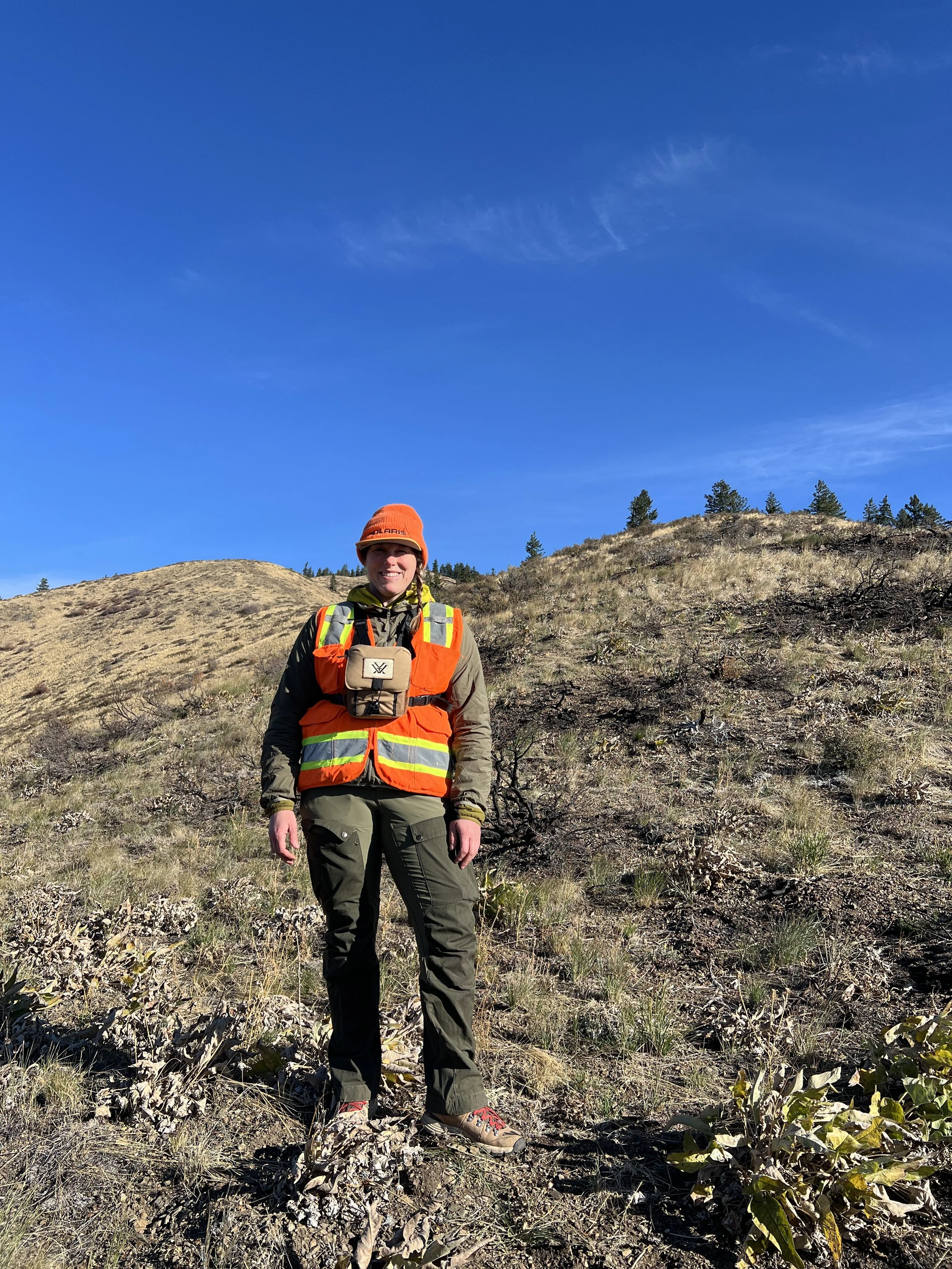
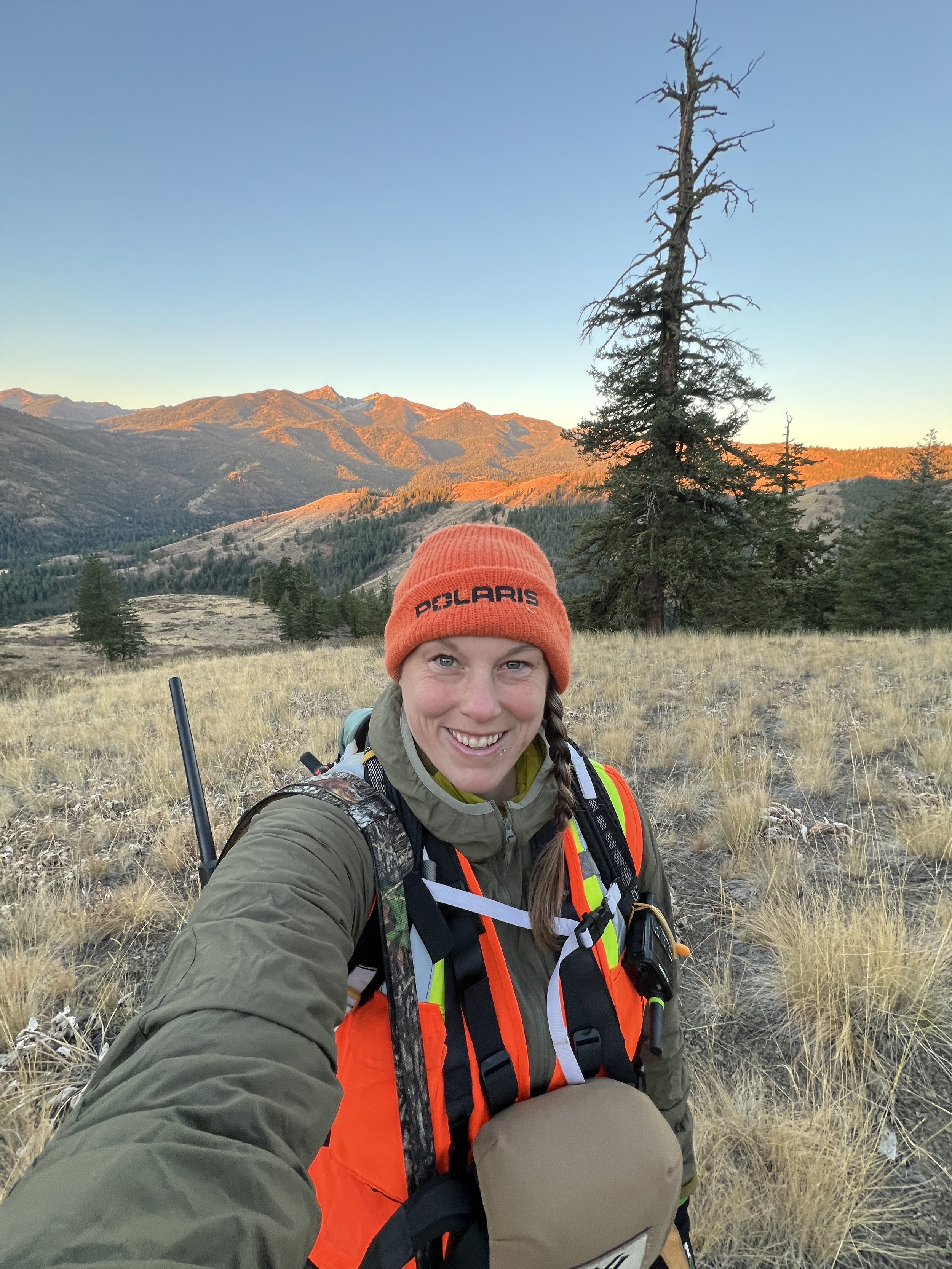
This was the one thing on the list that wasn’t optional. In Washington, if you’re hunting deer or elk in an area open to modern firearm season, you need at least 400 square inches of fluorescent orange (or pink) on your upper body, visible from all sides. A hat alone doesn’t count. I wore an orange safety vest over my layers every day and switched between two blaze orange hats: a Polaris beanie on cold mornings and a Truckee Brewing hat once it warmed up.
Optics
Vortex binoculars. I already had these, so they came along. Vortex is known for its VIP warranty, an unconditional lifetime warranty, even if the damage is your fault.
Pack
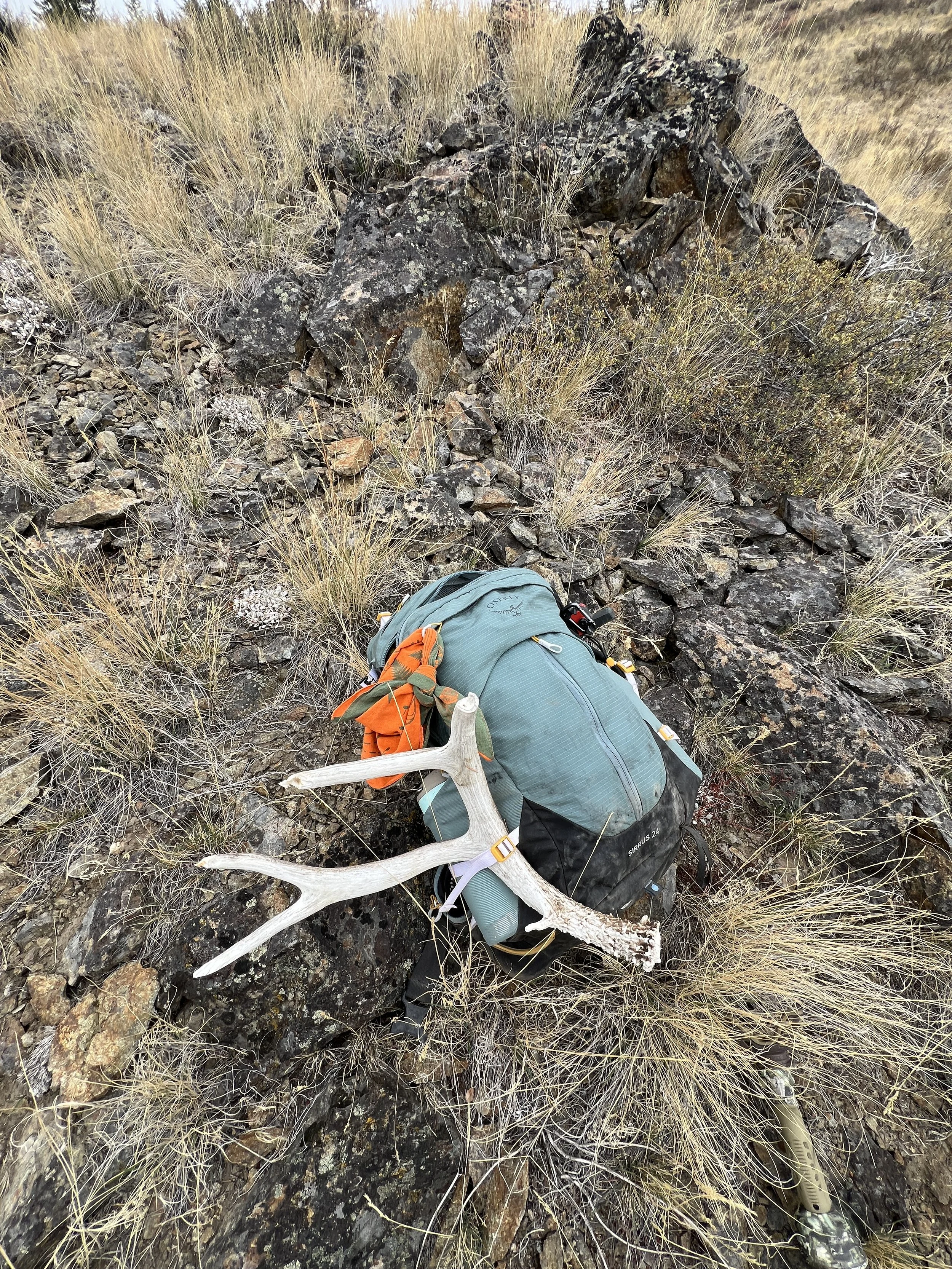
Osprey Sirrus 24 Pack (Women’s) is a women’s-specific daypack with a suspended mesh back panel that keeps it off your back for airflow. It has hipbelt pockets, a hydration sleeve, and a built-in rain cover. I’ve griped about this more recently in years that most side pockets are not big enough or accessible enough. I had a hard time unzipping and zipping these, and they wouldn’t stay zipped, which was a new development for me. This pack worked for this trip, but I definitely would prefer a pack that has more pockets & accessibility and options to strap gear to the outside.
Communications
Oxbow Gear Renegade 2.0 radio. It’s a two-way radio built for the backcountry. It mounts right to your pack’s shoulder strap, and the push-to-talk button and mic are sealed so they don’t freeze or take on moisture. I primarily use these for snowmobiling, so I knew I could trust them. Safety in the backcountry is always of utmost importance to me and part of safety is communication. Get 10% off with my link.
Garmin inReach Mini 2 (affiliate link). This is satellite two-way messaging with an SOS button, and it works anywhere with a clear view of the sky, no cell service needed. Shockingly, this was the first trip I used it a lot. Sharing my location and sending updates to my partner and my mom gave me comfort and was fun for them to follow along.
At Camp
These guys have been doing this for 30 years, and their camp shows it. Big canvas tents with Mr. Heaters inside. Cots. 10x10s set up with tables for a full kitchen. And a legit toilet seat screwed onto a box over a hole in the ground. It used to have full walls, a door, and a magazine rack inside, but it got torn down when they logged the area last year.
My Sleep Setup
NEMO Aurora 2P Tent. A three-season tent with two doors and two vestibules, so there’s room to stash boots and a pack outside the sleeping area. The footprint comes with it, and the overhead light pockets spread a headlamp’s glow through the whole tent. [Your line.]
Exped MegaMat Duo Auto. A 4-inch self-inflating foam pad with an R-value of 8.1, which is about as warm as sleeping pads get. The Auto version is shaped to fit in the back of a vehicle, but I love the cut-outs for my tent so I have a little room to stash stuff; otherwise it would be wall to wall in my tent.
Marmot Women’s Ouray 0° Down Sleeping Bag (Long). It’s rated to 0°F, with 650-fill down treated to handle moisture better. The women’s cut adds insulation where women tend to run cold and has a roomier footbox. The long size fits up to 6 feet, and it’s been the most comfortable bag I own. I didn’t need a zero-degree bag on this trip, but with my ultra-comfy sleeping pad and warmer temps, I was able to sleep with it unzipped and use it more as a comforter than a mummy bag. I am really not a fan of mummy bags, so this was a way more comfortable setup for me. Next on my list to try for car camping trips is the Hest Outdoors Down Comforter.
Camp Clothes
My camp staples were the Dovetail Workwear Go To Pants, a midweight stretch canvas pant with plenty of pockets, and the Dovetail Workwear Thermal Trucker, a stretch denim jacket with a soft, brushed inside that’s warmer than regular denim. I did pack my Gnara Go There Pant, and they camp in handy at camp popping an easy squat. Gnara’s patented GoFly zipper runs from the fly to the back of the waistband, so you can pee outside without dropping your pants, which is a big deal on long days with no bathroom.
What I Learned
As much as I love gear, it was hard not to want an “excuse” to buy new, hunting-specific stuff. Lucky for me, I had absolutely zero funds to do that, so it wasn’t that hard to hold back. And it was a good lesson that I don’t always need…no matter how bad I want. I was also lucky we had fair weather, so the gear I had did get the job done.
I definitely may have needed different boots if there was going to be some serious snow on the ground, or a lot more insulation. There are certainly things that would make my days out there more comfortable, so this is by no means a guide to what to buy to go deer hunting. Just a reminder I’m constantly telling myself: You don’t always need specific gear to start. Start with what you have and fill the gaps once you know what they are.